

Lima Beans: Creamy Plant‑Protein Rich in Fiber & Folate
One cup of cooked lima beans delivers 14 g protein, 13 g fiber and almost half your daily folate—plus a buttery texture ideal for stews and dips.
0.0(0)
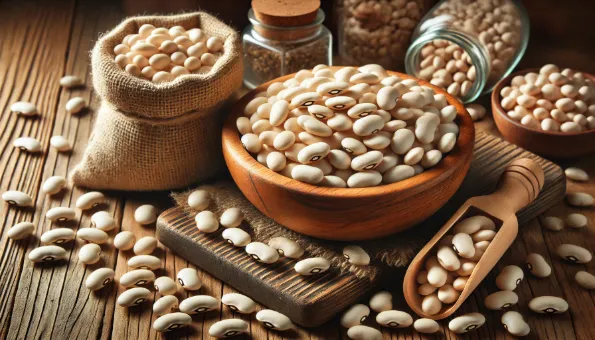
What Are Lima Beans?
Lima beans (*Phaseolus lunatus*)—also called butter beans—are large, flat pulses native to Peru but now grown worldwide. When cooked they become creamy, slightly sweet and hold their shape in braises.
Nutrition (per 100 g cooked)
| | Amount | %DV |
|---|---|---|
| Calories | 115 kcal | — |
| **Protein** | 7.8 g | 16 % |
| **Fiber** | 7 g | 25 % |
| Carbohydrates | 20 g | — |
| Iron | 2.3 mg | 13 % |
| **Folate** | 78 µg | 20 % |
| Potassium | 370 mg | 8 % |
Potential Benefits
- **Complete meal builder**: protein + complex carbs make a filling base.
- **Soluble fiber** helps lower LDL‑cholesterol and supports gut microbiota.
- Natural **resistant starch** feeds beneficial colonic bacteria, producing SCFAs.
- Folate and iron aid red‑blood‑cell production—important for pregnancy & plant‑based diets.
Drawbacks & Precautions
- **Linamarin**, a cyanogenic compound in raw beans, breaks down with boiling—never eat raw or under‑cooked.
- Oligosaccharides may cause gas; soak 8 h, discard water and cook 45 min to reduce.
- Rare favism‑like reaction in G6PD‑deficiency sufferers—consult a doctor if unsure.
Culinary Uses
- Classic **succotash** with corn & peppers.
- Blend with garlic, lemon and olive oil for a silky bean dip.
- Simmer in tomato‑paprika sauce for **Spanish fabada‑style** stew.
- Toss young *baby* limas into salads for nutty bite.
Storage Tips
• **Dried** beans keep up to 24 months in an airtight jar.
• **Cooked** beans refrigerate 3–4 days or freeze 3 months (freeze flat for quick thaw).
Sustainability
As legumes, lima beans fix atmospheric nitrogen, cutting fertiliser needs and improving soil health. Choose organic or Fair‑Trade Peruvian varieties to support smallholders.
Key Takeaways
✔︎ 14 g protein + 13 g fiber per cup
✔︎ Rich in folate & iron for plant eaters
✖︎ Must be fully cooked to inactivate linamarin.
- 1. Lima Beans
Lima beans
Comments
Povezani postovi
Bison Meat: Lean, Nutrient-Dense Red Meat
VeganImmunityHealthy Fats
Bone Broth: Slow-Simmered Collagen-Rich Stock
VeganImmunityHealthy Fats
Coconut Flakes: Crunchy, Tropical Topping
VeganImmunityHealthy Fats
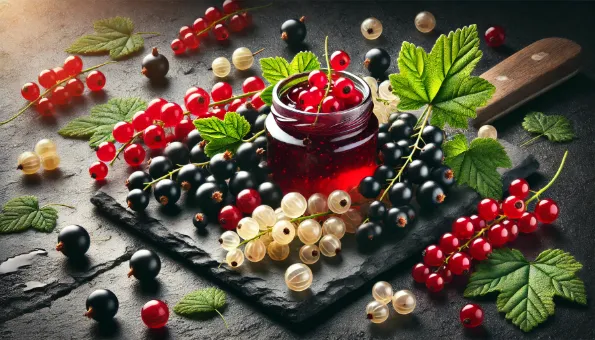
Currants (Black, Red & White): Tart, Juicy Vitamin C Powerhouses
VeganImmunityHealthy Fats
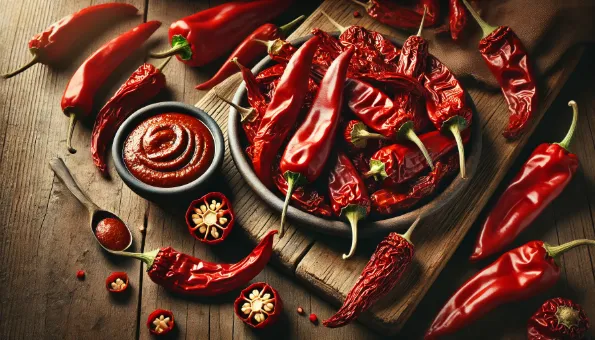
Guajillo Peppers: Fruity, Mild-to-Medium Dried Chilies
VeganImmunityHealthy Fats
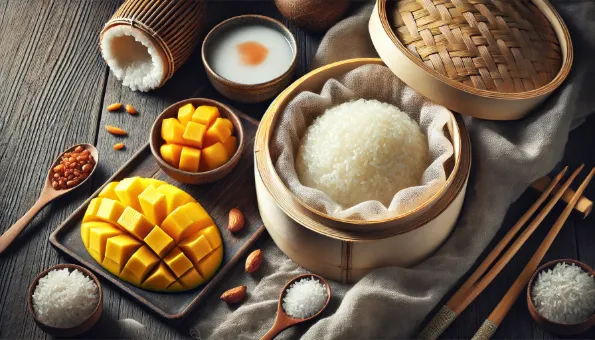
Sticky Rice (Glutinous Rice): Perfectly Chewy, Sweet or Savory
VeganImmunityHealthy Fats
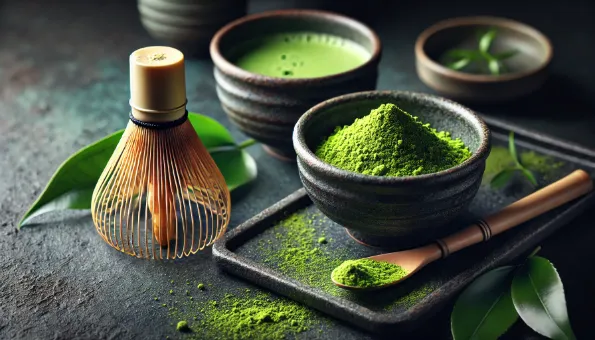
Matcha Powder: Antioxidant-Rich Green Tea Boost
VeganImmunityHealthy Fats
Enoki Mushrooms: Delicate, Noodle-Like Mushrooms for Soups & Stir-Fries
VeganImmunityHealthy Fats
Split Peas: Protein- & Fiber-Rich Legume for Soups & Stews
VeganImmunityHealthy Fats
Amaranth Leaves: Nutritious Leafy Green Packed with Iron & Vitamins
VeganImmunityHealthy Fats