

Sorghum: Ancient Gluten-Free Grain Rich in Fiber, Polyphenols & Slow Carbs
Whole sorghum delivers 12 g fiber, 11 g protein and antioxidant tannins per cooked cup—use as a chewy rice swap, popcorn alternative or syrup source.
0.0(0)
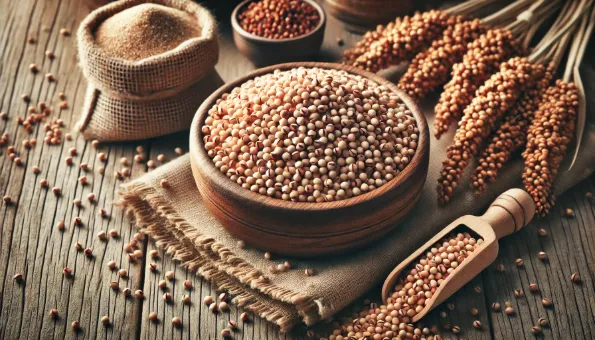
What Is Sorghum?
Sorghum (*Sorghum bicolor*) is a **drought-hardy cereal** native to Africa, now grown worldwide for food, animal feed and syrup. Culinary forms: whole grain (pearled or unpearled), flour, popped grain, flakes and sweet sorghum syrup.
Nutrition (per 1 cup cooked whole grain ≈ 185 g)
| | Amount | %DV |
|---|---|---|
| Calories | 216 kcal | — |
| **Carbohydrate** | 48 g | 17 % |
| – Fiber | 12 g | 43 % |
| **Protein** | 11 g | 22 % |
| Fat | 2 g | 3 % |
| **Iron** | 2.1 mg | 12 % |
| **Magnesium** | 143 mg | 34 % |
| **B1 (Thiamin)** | 0.18 mg | 15 % |
| **B6** | 0.28 mg | 16 % |
Rich in **polyphenols (tannins, anthocyanins)** in darker varieties.
Potential Benefits
- **High fiber** (β-glucan-like soluble + insoluble) supports gut health & satiety.
- **Resistant starch & complex carbs** lead to steadier post-meal glucose.
- **Polyphenol antioxidants** (especially in burgundy/black sorghum) may help combat oxidative stress.
- Naturally **gluten-free** whole-grain option for celiac and wheat-avoidant diets.
Drawbacks & Precautions
- Some whole (unpearled) grains contain **tannins** which can reduce iron absorption—pair with vitamin C foods.
- Certain varieties are **hard & slow to cook** (plan 45–55 min simmer unless pre-soaked).
- Sorghum flour lacks gluten network; breads need binding (psyllium, xanthan, egg or blended flours).
Culinary Uses
- **Cook like rice:** 1 cup grain : 3 cups water, simmer till chewy.
- **Pop it** like tiny popcorn in a dry hot pan for crunchy snack.
- Grind into **flour for gluten-free flatbreads, pancakes or cookies** (blend with starch for tenderness).
- Use **sorghum syrup** as a robust, mineral-tinted sweetener in BBQ sauces or granola.
- Toss cooked grains into salads, chilis, Buddha bowls.
Storage Tips
Whole dry grain: airtight jar **up to 1 year** cool & dark. Flour: refrigerate after opening (natural oils) and use within **3–4 months**. Cooked sorghum: refrigerate 5 days or freeze portions 3 months.
Sustainability Notes
Sorghum’s **drought tolerance & low input needs** make it climate-smart, using less water than maize or rice. Growing sorghum can diversify rotations, improve soil organic matter and reduce irrigation pressure.
Key Takeaways
✔︎ Fiber & polyphenol-rich gluten-free grain
✔︎ Moderate protein & minerals (Mg, Fe)
✖︎ Needs vitamin C pairing for optimal iron absorption; allow longer cook time.
- 1. Sorghum
Comments
Povezani postovi
Sorghum: A Naturally Gluten-Free Whole Grain Rich in Fiber and Minerals
Weight LossLow-FODMAPFiber
Sorghum Flour: Gluten-Free, Nutty & Fiber-Rich
VeganImmunityMagnesium
Capers: Bright, Briny Pops of Flavor
VeganGluten-Free
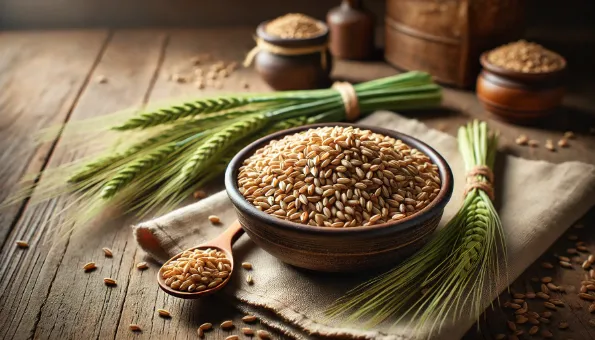
Freekeh: Ancient Green Wheat with a Smoky-Nutty Flavor
VeganGut HealthFiber
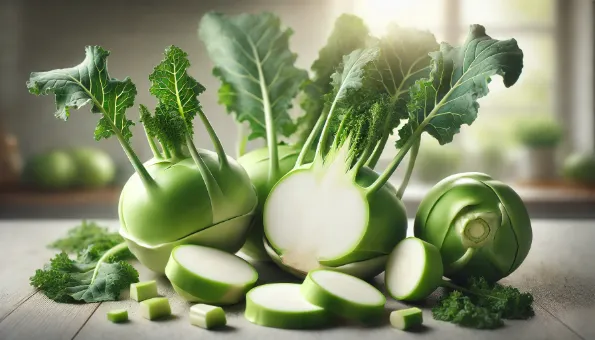
Kohlrabi: Crisp, Mildly Sweet Crucifer
VeganGut HealthImmunity
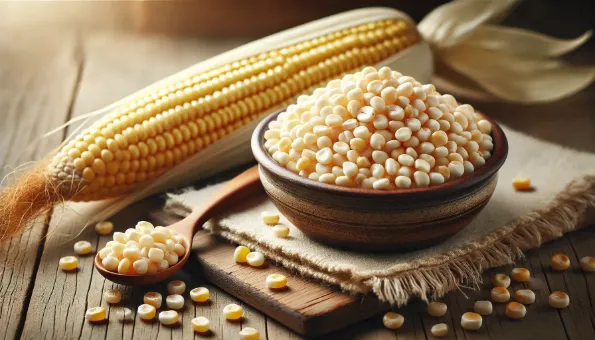
Hominy: Nixtamalized Corn with History & Flavor
VeganImmunityFiber

Cloudberries: Arctic Jewels Rich in Vitamin C
VeganImmunityFiber
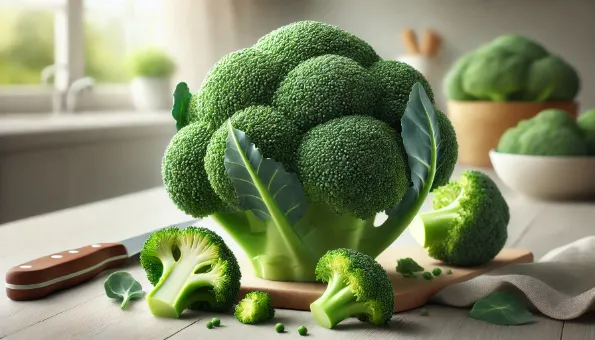
Broccoli: Green Cruciferous Superfood
VeganGut HealthImmunity
Napa Cabbage: Crisp, Mild & Versatile
VeganGut HealthImmunity
Caraway Seeds: Earthy, Citrus-Hinted Spice for Flavor & Digestion
VeganGut HealthFiber