

Bean Sprouts: Fresh, Crunchy Source of Vitamins and Plant Protein
Low in calories and rich in vitamin C, K, and folate, bean sprouts support digestion, immunity, and healthy skin.
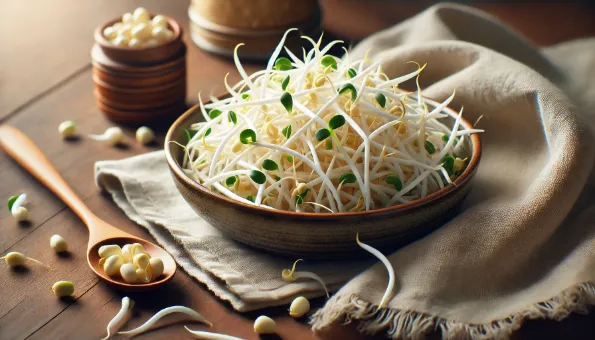
What Are Bean Sprouts?
Bean sprouts are **young shoots of beans**, commonly mung or soybean. They are crisp, refreshing, and widely used in Asian cuisine for their texture and nutrition.
Nutrition (per 100 g, raw mung bean sprouts)
- **Calories:** 30 kcal
- **Protein:** 3.0 g
- **Carbohydrates:** 6.0 g
- **Fiber:** 1.8 g
- **Vitamin C:** 13 mg
- **Vitamin K:** 33 µg
- **Folate:** 61 µg
- **Iron:** 0.9 mg
Health Benefits
- **Promotes digestion** with fiber and enzymes.
- **Boosts immunity** due to vitamin C.
- **Supports bone health and blood clotting** (vitamin K).
- **Aids cell growth** with folate.
- Low in calories and **rich in antioxidants**.
Possible Drawbacks
- Raw sprouts may carry **bacteria (E. coli, Salmonella)**.
- Store refrigerated and wash well before use.
- People with weakened immunity should **avoid raw sprouts**.
Culinary Uses
- Add **raw to salads or sandwiches**.
- **Lightly stir-fry** in noodles or rice dishes.
- Delicious in **ramen, pho, and spring rolls**.
Summary
Bean sprouts are crisp, vitamin-rich, and versatile, supporting immunity and digestion — best eaten fresh or lightly cooked for safety.
- 1. Bean Sprouts
Bean sprouts (klice graha): mladi izdanci, najčešće mung ili sojini, bogati vitaminom C, K i folatom, s malo kalorija i mnogo vlakana i proteina; osjetljivi na bakterije – treba ih dobro oprati ili kratko termički obraditi.